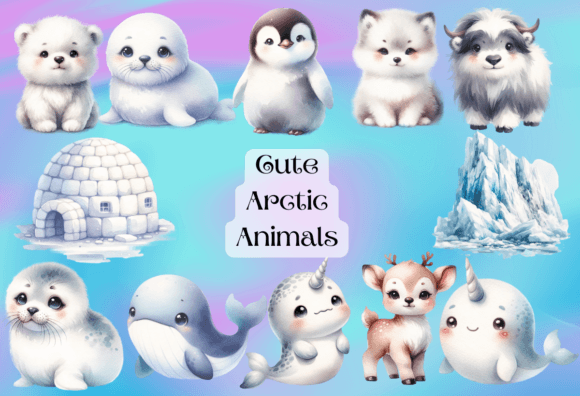
Tropical Animals Watercolor Clipart for Embroidery
As a designer who spends more time behind an embroidery machine than a computer screen, I approach digital graphics with a specific question: will this actually stitch out well? When evaluating Tropical Animals Watercolor Clipart PNG assets, my mind immediately shifts from pixels to thread. Watercolor aesthetics are incredibly popular right now, offering a soft, organic vibe that contrasts beautifully with the structured nature of machine embroidery. However, translating the fluid transparency of watercolor graphics into a tangible embroidery project requires careful consideration of stitch types, fabric choices, and digitizing strategies.
My first impression of this collection is its versatility for summer and nursery themes. The visual personality leans toward whimsical and gentle rather than bold and graphic. This makes it ideal for baby embroidery, boutique apparel, and personalized gifts where a harsh, cartoonish look might feel out of place. The soft edges and blended colors inherent in watercolor clipart suggest a design style that relies heavily on shading and texture rather than rigid outlines. For an Etsy seller or small shop product creator, this aesthetic signals quality and artistic intent, distinguishing your work from generic, mass-produced designs.
Real-World Application: The Custom Tote Bag Test
To truly judge the utility of these graphics, I mentally placed them onto a natural canvas tote bag—a staple item for any craft business or beachwear brand. Canvas provides a textured foundation that mimics paper grain, which complements watercolor art. In this scenario, I envisioned a toucan or flamingo centered on the bag with subtle botanical accents.
The challenge here is maintaining the "watercolor" illusion through thread. If you simply use a standard fill stitch at 100% density, you lose the translucent magic of the original PNG. Instead, this design demands a lighter touch. I would recommend using a textured fill or a stipple stitch with reduced density to allow the canvas weave to show through, simulating the bleed of paint on paper. For the tote bag design to succeed, the transition between the bird and the background must be seamless. Hard satin borders often ruin the watercolor effect; instead, consider using a running stitch outline or leaving the edge raw and feathered. This approach elevates the finished product from a simple embroidered bag to a piece of wearable art that customers perceive as high-value.
Fabric Compatibility and Stitching Challenges
While Tropical Animals Watercolor Clipart PNG files offer immense creative freedom, they are not universally forgiving across all substrates. The success of your commercial embroidery or personal project hinges on matching the design complexity to the fabric stability.
- Textured Fabrics: Linen, canvas, and denim are excellent choices. Their surface irregularities enhance the painterly quality of watercolor designs. A satin stitch border on linen can frame the animal nicely without looking too industrial.
- Stretchy Knits: Proceed with caution when planning sweatshirt embroidery or t-shirts. Watercolor designs often require larger coverage areas to achieve the gradient effect. On knit fabrics, this can lead to puckering if the stitch density is too high. You must use a high-quality cut-away stabilizer and potentially a topping to prevent stitches from sinking into the fabric loops.
- Dark Fabrics: Watercolor is inherently light. Digitizing these graphics for black or navy garments requires a white underlay base, which adds significant stitch count and stiffness. If your target market prefers dark apparel, test whether the design retains its softness after adding the necessary underbase layers.
- Curved Surfaces: Caps and hats present unique difficulties. The detailed shading typical of tropical animal watercolor art may get lost on the curved, uneven surface of a cap front. Simplify the design or reserve these specific graphics for flat hoops like pillow covers or aprons.
Translating Digital Assets to Thread
It is vital to remember that a PNG is a raster image, not a native digital embroidery file. These graphics serve as the blueprint for digitizing. Whether you digitize yourself or hire a professional, the goal is to interpret the art, not trace it blindly. For applique design variations, these tropical animals work wonderfully as templates. You could use the watercolor PNG as a placement guide for printed fabric applique, securing it with a narrow satin or blanket stitch. This hybrid method preserves the intricate color gradients of the original art while keeping the embroidery file manageable and stitch-count friendly.
For those creating design assets for sale, ensure you understand the licensing of the source PNGs before selling derived embroidery files. Transparency with your customers regarding what is included builds trust. If you are an Etsy seller offering printable mockups alongside physical products, these watercolor graphics are perfect for creating cohesive branding materials that match your embroidered inventory.
Designer Notes for Professional Results
Before committing these tropical motifs to a final custom apparel run or client order, adhere to these practical checkpoints to ensure professional quality:
- Test on Scrap Fabric First: Never assume settings will transfer perfectly. Stitch a sample on the exact fabric and stabilizer combination you intend to use for the final handmade product.
- Check Thread Color Contrast: Watercolor relies on subtle tonal shifts. Verify that your available thread colors can replicate the gradients in the PNG. Sometimes blending two similar shades in alternating rows creates a better gradient than a single solid color.
- Review Stitch Density: Avoid bulletproof patches. Adjust density based on fabric texture. Sheer fabrics need less density; heavy canvas can handle more.
- Confirm Hoop Size: Ensure the design fits comfortably within your hoop with adequate margin for tension. Distortion at the edges of the hoop will destroy the delicate alignment needed for watercolor shading.
- Inspect Small Details: Tiny elements like eyelashes or fine feathers may not stitch out clearly. Edit the machine embroidery design to remove details smaller than 1mm or convert them to running stitches.
- Mockup Testing: Create black and white versions of your digitized file to check value contrast independent of color. If the design looks muddy in grayscale, it will lack definition in thread.
- Licensing Verification: Always confirm whether the Tropical Animals Watercolor Clipart PNG license permits commercial use for finished goods versus digital redistribution. This protects your craft business legally.
Elevating Product Value Through Design Choice
Ultimately, choosing Tropical Animals Watercolor Clipart PNG for your embroidery workflow is a strategic decision. It moves your portfolio away from saturated, high-contrast cartoons toward a sophisticated, artisanal aesthetic. This shift directly impacts buyer engagement. Customers shopping for holiday embroidery, nursery decor, or boutique accessories are often seeking items that feel curated and gentle. By mastering the translation of these watercolor graphics into thread, you demonstrate technical proficiency and artistic sensitivity.
Whether you are producing an embroidered patch for a denim jacket, a personalized gift for a new parent, or expanding your digital catalog, treat these graphics as a starting point for interpretation. Respect the medium of embroidery by adapting the art to the limitations and strengths of thread. When executed correctly, the result is a small shop product that feels less like merchandise and more like a keepsake, justifying higher price points and fostering customer loyalty through undeniable craftsmanship.