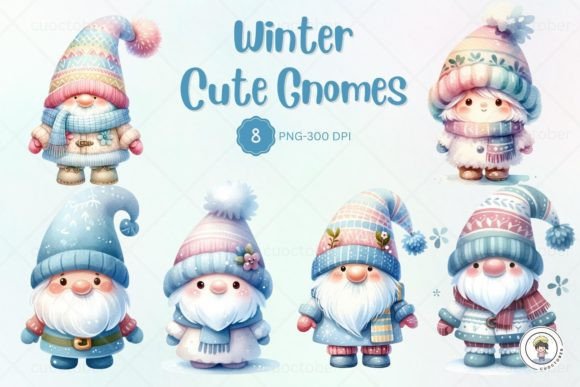
Scandinavian Gnomes Watercolor Clipart for Embroidery
First Impressions: Translating Painted Whimsy to Thread
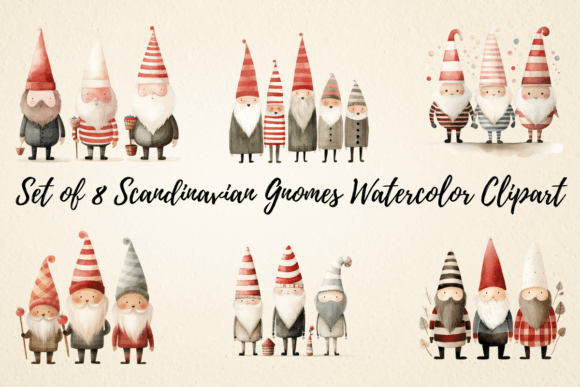
When I first opened the Scandinavian Gnomes Watercolor Clipart collection, my immediate reaction was a mix of delight and professional caution. As an illustrator’s asset, these files are undeniably charming. They possess that soft, nostalgic aesthetic that defines modern farmhouse and hygge-inspired decor. The muted earth tones, the textured brush strokes, and the gentle facial expressions create a mood of warmth and comfort. However, as an embroidery designer who has digitized hundreds of watercolor-style illustrations, I know that what looks beautiful on a screen does not always translate seamlessly to fabric.
My primary evaluation criterion is always translatability. Watercolor clipart relies on transparency and color blending, whereas machine embroidery relies on distinct thread layers and stitch direction. These specific gnome illustrations strike a promising balance. They have defined edges rather than overly diffuse washes, which is critical for creating clean applique design outlines or precise satin stitch borders. The visual personality feels authentic to the genre without being cluttered, suggesting they could serve as excellent centerpieces for holiday embroidery or nursery decor if approached with the right digitizing strategy.
Real-World Application: Designing a Holiday Tote Bag
To truly evaluate this product, I mentally placed it into a current client project: a series of premium canvas tote bags intended as personalized gifts for a local boutique’s holiday market. The goal was to create a handmade product that felt artisanal rather than mass-produced. For this application, the Scandinavian Gnomes Watercolor Clipart offered a distinct advantage over traditional vector art. The organic shapes mimic hand-painting, which increases perceived value for customers seeking unique craft business items.
In this scenario, I would likely use the gnomes as a large applique element rather than a full-coverage fill stitch. This preserves the watercolor illusion while keeping the stitch count manageable for a tote bag design. A heavy canvas can handle density, but customers dislike stiff, bulletproof embroidery on functional bags. By using the clipart as a guide for fabric placement and adding subtle shading stitches only in key areas like the hat brim or beard, the finished product retains the softness of the original illustration. This approach makes the item gift-worthy and justifies a higher price point for Etsy sellers and small shop owners looking to elevate their merchandise.
Best Use Cases Across Products and Fabrics
Beyond tote bags, these illustrations show strong potential across various categories, provided the end-user understands fabric interaction. For custom apparel like sweatshirts and t-shirts, the design works best when scaled appropriately. On a fleece sweatshirt, the texture of the fabric complements the watercolor aesthetic, making the embroidery feel integrated rather than stamped on. Conversely, for baby embroidery projects, such as bibs or blankets, safety and comfort are paramount. Here, I would recommend simplifying the design assets to reduce bulk, perhaps focusing solely on the gnome’s hat or face to avoid irritating delicate skin.
For home decor like pillow covers and tea towels, these gnomes are naturals. Linen and cotton textures enhance the rustic vibe of Scandinavian illustrations. If you are creating embroidered patches for caps or jackets, ensure the details are bold enough to survive the reduction in size. Caps present a challenge due to curvature; complex watercolor shading often gets lost or distorted on the rounded surface of a hat. In those instances, use the clipart as inspiration for a simplified logo-style version rather than attempting a direct translation. Digital product sellers and creative entrepreneurs can also leverage these files for printable mockups, allowing buyers to visualize the final embroidered patch or apparel before purchasing the physical goods.
Navigating Technical Limitations and Fabric Challenges
While versatile, Scandinavian Gnomes Watercolor Clipart requires careful handling in specific contexts. I urge makers to exercise caution when working with stretchy fabrics or dark garments. Watercolor effects rely heavily on light-to-medium thread colors to simulate paint gradients. On black or navy fabric, achieving that same luminosity requires extensive underlay and highlight stitching, which drastically increases stitch density and can distort lightweight knits.
Small hoop sizes are another constraint. If you attempt to shrink these detailed illustrations down to a 2-inch width for a shirt cuff or baby sock, the intricate shading will turn into a muddy blob of thread. Running stitch details meant to simulate brush texture may disappear entirely or cause needle breaks if too dense. Always respect the minimum size requirements of the specific embroidery file you generate from this art. Additionally, products requiring frequent washing, such as kitchen towels or children's clothing, demand secure edge finishing. Watercolor styles often have irregular borders; ensure your digitizing includes adequate tack-down stitches to prevent fraying after repeated laundering.
Elevating Brand Value Through Thoughtful Execution
Using high-quality illustrations like these impacts more than just aesthetics; it influences customer trust and brand consistency. When an Etsy seller presents a polished, well-executed interpretation of Scandinavian Gnomes Watercolor Clipart, it signals professionalism. Buyers can distinguish between a rushed digitization job and a thoughtfully crafted piece. The clarity of the stitching, the harmony of thread colors, and the appropriate stabilizer choice all contribute to a premium unboxing experience.
Furthermore, these designs offer excellent recognition factor. The Scandinavian gnome trend has longevity because it bridges seasonal and year-round appeal. By incorporating these illustrations into your commercial embroidery lineup, you tap into an existing audience searching for cozy, whimsical decor. Whether used for wedding gifts, holiday merchandise, or boutique branding, the key is maintaining the integrity of the original art while respecting the mechanical limitations of embroidery machines. This balance is what separates hobbyist output from professional-grade handmade products.
Essential Designer Notes Before You Stitch
Before committing these beautiful illustrations to fabric, follow this practical checklist to ensure success:
- Test on Scrap Fabric First: Never assume settings transfer perfectly between materials. Test the design on the exact fabric and stabilizer combination you plan to use for the final product.
- Verify Licensing Terms: Confirm whether the clipart license permits commercial embroidery sales, digital file redistribution, or both. Protect your craft business by understanding usage rights upfront.
- Check Thread Color Contrast: Print the design in grayscale to verify that different elements remain distinguishable without relying solely on color variation. This ensures readability on monochrome fabrics.
- Review Stitch Density: If digitizing yourself, adjust density based on fabric weight. Watercolor styles often tempt digitizers to over-stitch; remember that negative space is part of the design.
- Confirm Hoop Size Compatibility: Ensure the design fits your machine’s maximum field without excessive repositioning, which can compromise alignment on detailed artwork.
- Mockup Testing: Use printable mockups or digital embroidery software previews to see how the design interacts with garment seams, pockets, and zippers before cutting any fabric.
- Stabilizer Selection: Match stabilizer weight to both the design density and fabric drape. Cut-away backing is usually superior for watercolor-style appliques on stretchy fabrics to prevent puckering.
Ultimately, Scandinavian Gnomes Watercolor Clipart represents a valuable resource for embroidery designers willing to bridge the gap between digital art and textile craft. With mindful preparation and respect for the medium, these illustrations can transform ordinary blanks into cherished, market-ready treasures that resonate deeply with customers seeking warmth and whimsy in their handmade goods.