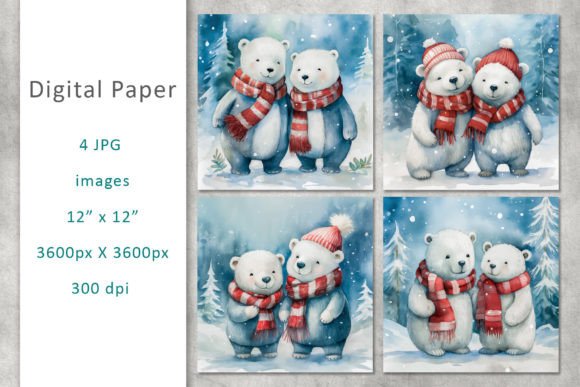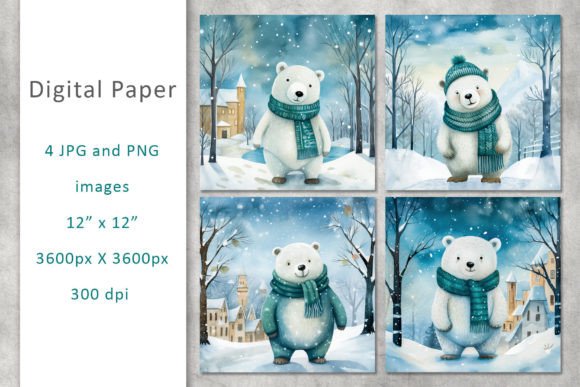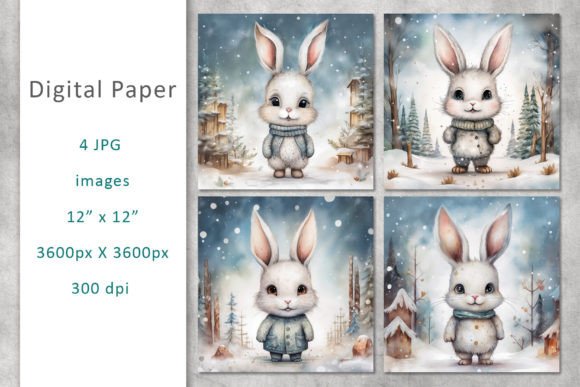
Cute Rabbit Watercolor Digital Papers & Illustrations
As a brand designer specializing in local business identity, I approach every new graphic design asset with a critical eye for commercial viability. When evaluating Cute Rabbit Watercolor Digital Papers for a recent client project—a boutique organic skincare line targeting young families—my primary concern was whether these illustrations could transition from digital novelty to tangible packaging excellence. The first impression of this collection is undeniably soft and nostalgic. It evokes a sense of gentle care, handmade authenticity, and playful innocence that aligns perfectly with businesses centered on wellness, children’s products, or artisanal foods. Unlike generic clipart, the watercolor texture here offers an organic irregularity that suggests human touch, which is essential for establishing trust in small business branding.
Translating Whimsy into Professional Packaging Design
In our skincare branding project, we needed a visual anchor that communicated safety and natural ingredients without relying on sterile clinical aesthetics. Cute Rabbit Watercolor Digital Papers provided the necessary warmth for our product label and outer box design. However, using digital papers for physical goods requires strategic adaptation. We utilized specific elements of the pattern as accent borders rather than full-bleed backgrounds to maintain readability. For a local bakery or handmade soap business, these assets serve exceptionally well as secondary brand elements. They can be applied to thank-you cards, sticker seals, and tissue paper liners to create a cohesive unboxing experience. The key to successful packaging design with this asset is restraint; the rabbit motifs should support the brand identity, not overwhelm the essential product information.
Strategic Applications for Local Business Marketing Visuals
Beyond physical packaging, this graphic design asset proves versatile for digital touchpoints. During our campaign planning, we found that extracting individual rabbit illustrations from the digital papers created effective social media graphics. These isolated elements worked beautifully as decorative frames for Instagram announcements or Pinterest pins promoting seasonal sales. For creative entrepreneurs managing their own marketing visuals, this flexibility is invaluable. The assets can be layered behind text in Canva templates for email newsletters or used as subtle background textures for website hero banners. In editorial design contexts, such as a printed lookbook or menu for a family-friendly café, the watercolor style adds depth and character that flat vector art often lacks. This adaptability makes it a strong contender for businesses needing consistent visual storytelling across both print and web design platforms.
Enhancing Shelf Appeal and Customer Connection
The true value of any illustration in commercial design lies in its ability to influence purchasing decisions. In our testing phase, we compared mockups featuring Cute Rabbit Watercolor Digital Papers against minimalist competitors. The results indicated a stronger emotional connection with our target demographic. Parents responded positively to the friendly, non-threatening aesthetic, associating the visual softness with product gentleness. This demonstrates how proper use of design assets can improve shelf appeal and differentiate a handmade business in a crowded marketplace. Furthermore, the consistent application of these watercolor elements across business cards, price lists, and promotional flyers reinforced brand recognition. When customers see the same artistic style repeatedly, it builds subconscious trust and signals professional branding maturity, even for micro-businesses operating on limited budgets.
Navigating Limitations and Contextual Appropriateness
Despite its charm, this asset is not universally applicable. As an experienced designer, I must emphasize where caution is required. Cute Rabbit Watercolor Digital Papers are ill-suited for formal corporate branding, luxury minimalist aesthetics, or industries requiring high-tech authority. The inherent playfulness can undermine seriousness in legal, financial, or medical sectors. Additionally, designers must be vigilant regarding visual hierarchy. On small product labels or ingredient-heavy layouts, the intricate watercolor details can compete with mandatory typography, reducing legibility. We avoided using the busier pattern variations near barcode areas or fine print legal disclaimers. Low-contrast backgrounds also pose a risk; if the watercolor wash is too dark, white text becomes unreadable. Always prioritize function over decoration to ensure your marketing visuals remain accessible and compliant.
Essential Pre-Press and Licensing Checks for Commercial Use
Before committing this digital product to a real-world production run, rigorous technical validation is non-negotiable. My team conducted extensive testing to ensure the files met professional standards. First, verify the resolution; for packaging design and printable design, 300 DPI is mandatory to prevent pixelation on press. We tested the PNG transparency edges to ensure no jagged halos appeared when layering over colored backgrounds. Color accuracy is another critical factor; watercolors often shift between RGB screens and CMYK printing. We ran physical proofs to confirm the pastel tones remained vibrant and did not muddy during the offset printing process. Typography pairing also demands attention. We found that clean sans-serif fonts balanced the ornate nature of the rabbit illustrations best, whereas script fonts created visual clutter. Finally, always audit the commercial license. Confirm that the terms permit use on physical products for sale, especially if you are designing for a client or scaling a handmade business beyond hobbyist levels.
Optimizing Brand Identity Through Thoughtful Integration
Integrating Cute Rabbit Watercolor Digital Papers into a comprehensive brand identity requires viewing them as part of a larger system. They should complement your logo design, not replace it. In our project, we established guidelines specifying that the rabbit illustrations were strictly decorative accents, while the logotype remained the primary identifier. This distinction preserves long-term brand equity. For seasonal campaigns, these assets offer an easy way to refresh visuals without rebranding entirely. A simple swap to a festive variation of the digital paper can update your entire Etsy shop or retail display for holidays. Ultimately, the success of this graphic design asset depends on intentional application. When used with strategic foresight, it transforms generic merchandise into memorable brand experiences that resonate deeply with local communities and niche audiences alike.
- Mockup Testing: Always preview designs on realistic product mockups before printing to gauge scale and placement accuracy.
- Contrast Verification: Ensure text overlaid on watercolor backgrounds meets accessibility standards for readability.
- File Format Flexibility: Check if SVG versions are available for scalable vector editing versus raster-only PNG limitations.
- Competitor Analysis: Compare your usage against similar local businesses to ensure distinctiveness in the market.
- Licensing Compliance: Document commercial license permissions specifically for resale, packaging, and digital redistribution.