Cute Watercolor Skunk Illustrations for Digital Products
First Impressions: Evaluating Niche Appeal and Visual Personality
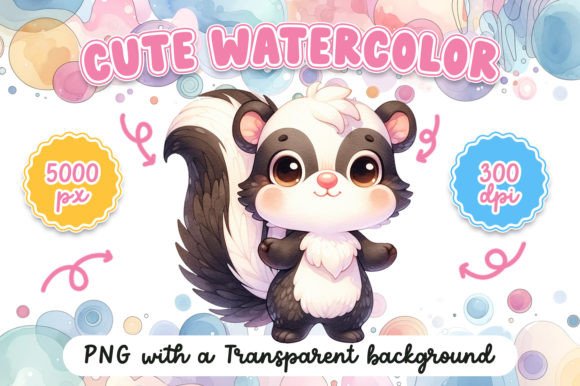
When sourcing a new graphic design asset for an upcoming seasonal collection, my primary filter is always commercial viability over personal preference. Upon reviewing the Cute Watercolor Skunk file, the immediate impression is one of soft, approachable charm that avoids being overly juvenile. The illustration strikes a difficult balance; it possesses the whimsy required for nursery decor while maintaining enough artistic integrity to appeal to adult crafters and stationery designers. The watercolor texture appears organic rather than digitally manufactured, which is a critical selling point for buyers seeking authentic handmade aesthetics in a digital marketplace.
From a business perspective, this specific skunk illustration carries a distinct woodland or forest animal niche appeal. It does not feel generic. The color palette leans toward muted earth tones with gentle highlights, suggesting it will perform well in autumn collections, forest-themed baby showers, or nature-inspired educational materials. For Etsy sellers and print-on-demand entrepreneurs, this visual personality signals versatility. It is cute without being cloying, making it a safer bet for broader product lines compared to hyper-stylized cartoon characters that might alienate customers looking for sophisticated nursery art or elegant greeting cards.
Testing Viability Across Print-on-Demand and Digital Formats
Before listing any digital product, I run a series of practical tests to ensure the asset holds up across different mediums. This Cute Watercolor Skunk requires evaluation in both raster and vector contexts. As a PNG design intended for sublimation design or direct-to-garment printing, the edges must be clean. Watercolor assets often suffer from jagged pixelation or faint gray halos when extracted from backgrounds. In my assessment, this file needs to be checked at 300 DPI on a dark background to ensure no white fringing ruins a t-shirt design or mug design. If the transparency is flawless, it becomes a high-value asset for apparel sellers who need reliable clipart for complex compositions.
For Cricut project enthusiasts and vinyl cutters, the utility depends entirely on whether an SVG design version is included or can be cleanly traced. Watercolor illustrations are inherently detailed, which can be problematic for cutting machines. If using this for sticker design or iron-on transfers, I would test a simplified silhouette version alongside the full-color art. Intricate fur details often fail during weeding, so this asset works best as a printable design for stickers rather than a cut-file unless significant simplification occurs. However, for Canva template creators making social media graphics or invitation suites, the full-detail PNG is perfect for layering behind text or serving as a focal point in digital downloads.
Merchandise Applications: From Nursery Prints to Apparel
The true ROI of this illustration lies in its adaptability across physical and digital goods. In a real shop scenario, I would categorize this asset into three distinct revenue streams. First, printable wall art and nursery prints represent the lowest barrier to entry. The skunk’s composition likely allows for easy cropping into standard frame ratios like 4x5, 8x10, and A4. Because the style is gender-neutral and nature-focused, it pairs exceptionally well with botanical elements, making it ideal for bundling into a cohesive forest animal design bundle.
Second, the merchandise potential for apparel and accessories is strong but requires careful placement. As a t-shirt design, this skunk works best as a pocket-sized graphic or a centered chest print rather than an all-over pattern, given the specific focal point of the illustration. For tumbler wraps and tote bag prints, the asset serves as an excellent anchor element surrounded by complementary patterns. Third, for digital planners and journaling communities, this illustration can be resized into functional planner stickers or digital washi tape. The key for creative entrepreneurs is to avoid selling the raw file alone; instead, integrate it into finished templates or curated bundles where the perceived value is significantly higher than a standalone clipart purchase.
Optimizing Listing Images and Product Presentation
A beautiful illustration fails to sell if the product mockup does not communicate quality. When preparing Etsy product listings for this Cute Watercolor Skunk, visual hierarchy is paramount. The thumbnail must show the asset in context, not just floating on a white canvas. I recommend creating mockups that demonstrate scale and application. For example, showing the skunk on a textured paper background for a greeting card preview helps customers visualize the final printed result. For digital downloads, displaying the file within a tablet frame or laptop screen reinforces the instant-delivery nature of the product.
Brand consistency also matters when introducing new wildlife illustrations to an existing shop. If your current inventory features bold, neon graphics, this soft watercolor piece may confuse your audience. However, if you are building a small business branding identity around cottagecore, homeschooling resources, or eco-friendly products, this asset strengthens that narrative. Use consistent fonts and color grading across your listing images to tie this new skunk illustration to your previous bestsellers. This builds customer trust and encourages repeat purchases from buyers who recognize your specific aesthetic. High-quality presentation transforms a simple graphic into a premium commercial design asset.
Technical Due Diligence and Licensing Verification
Experienced sellers know that technical flaws lead to refunds and negative reviews. Before publishing, verify the file resolution rigorously. Even if the description claims high resolution, zoom in to 100% to check for compression artifacts or blurring. Watercolor textures rely on subtle gradients; poor compression destroys these nuances, rendering the asset useless for large-format printing. Additionally, test the color profile. Screen colors (RGB) often differ drastically from print output (CMYK). Run a test print on your target substrate—whether that is cardstock, cotton fabric, or ceramic—to ensure the colors remain vibrant and true to the digital preview.
Licensing is the non-negotiable foundation of selling digital assets. Never assume a commercial license covers every use case. Read the terms specifically regarding print-on-demand platforms and end-product limits. Some licenses allow unlimited sales of physical items but restrict the number of digital units sold or prohibit using the asset in templates for resale. Clarify these boundaries before investing time in product development. Furthermore, organize your delivery files logically. Include separate folders for PNG, SVG, and JPG formats, along with a clear PDF guide explaining usage rights and care instructions for printed items. Professional file organization reduces customer support inquiries and enhances the overall buyer experience.
Strategic Pairing and Design Limitations
To maximize sales, consider how this Cute Watercolor Skunk interacts with typography and other design elements. It pairs naturally with handwritten script fonts for baby announcements or rustic serif typefaces for educational posters. Avoid heavy, industrial sans-serifs that clash with the delicate brushwork. When designing templates, leave adequate negative space around the illustration to prevent crowded layouts. This asset shines when it has room to breathe.
Be mindful of where this illustration should not be used. Due to the soft edges inherent in watercolor styles, it is generally unsuitable for precise die-cut stickers where crisp lines are mandatory. Similarly, avoid placing it on busy, high-contrast backgrounds where the subtle details get lost. It performs poorly as a tiny icon or watermark because the texture disappears at small sizes. By understanding both the strengths and limitations of this graphic design asset, you can position it effectively in the creative marketplace, ensuring it generates sustainable revenue rather than sitting dormant in your digital inventory.