Watercolor Nursery Arctic Animals: An Embroidery Review
As a professional embroidery designer and product reviewer, I approach every new machine embroidery design with a critical eye. It is not enough for a graphic to look beautiful on a screen; it must translate effectively into thread, stabilizer, and fabric. When evaluating the Watercolor Nursery Arctic Animals collection, my primary focus is on how these Illustrations perform in real-world production environments. This review breaks down the practical application of this artwork for craft business owners, Etsy sellers, and makers who need reliable design assets that result in high-quality finished goods.
First Impressions and Visual Translation
The initial appeal of Watercolor Nursery Arctic Animals lies in its soft, organic aesthetic. Unlike rigid vector art, watercolor styles rely on subtle gradients and undefined edges. From a digitizing perspective, this presents both an opportunity and a challenge. The mood is undeniably gentle, making it ideal for baby embroidery and nursery decor. However, as a reviewer, I immediately look for how the digitizer handled those soft transitions. A successful embroidery file in this style should use varied fill stitch patterns or specialized shading techniques to mimic the bleed of watercolor paint without creating excessive bulk.
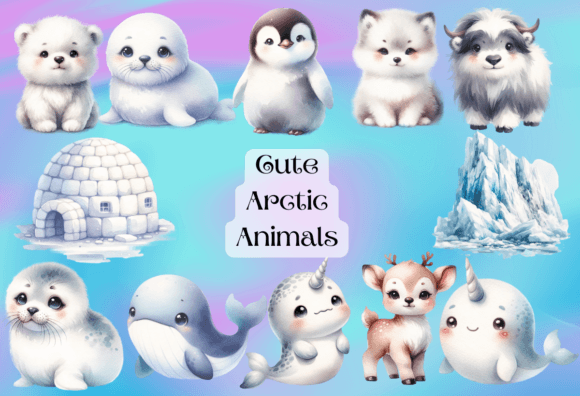
Visually, the arctic theme—featuring polar bears, seals, or arctic foxes—offers a neutral yet engaging palette. This versatility is crucial for commercial embroidery because it appeals to a broad demographic without being overly gender-specific. For a handmade product, this neutrality increases the potential customer base. The layout typically allows for easy integration with names or dates, which is a significant selling point for personalized gift markets.
Real-World Application: The Custom Sweatshirt Test
To truly judge the viability of Watercolor Nursery Arctic Animals, I mentally simulate a specific production scenario: creating a custom embroidered sweatshirt for a boutique holiday collection. Sweatshirts are a staple for Etsy seller inventory, but the fleece backing and knit structure can be unforgiving.
In this scenario, the design needs to sit flat without distorting the garment. If the Watercolor Nursery Arctic Animals design utilizes heavy satin stitch borders to define the animals, there is a risk of tunneling on stretchy fleece. I would evaluate whether the design incorporates adequate underlay or if it relies on running stitch outlines that move better with the fabric. For a sweatshirt embroidery project, the design must have enough presence to stand out against the textured fabric but enough flexibility to remain comfortable. If the artwork is too dense, the chest area becomes stiff and unappealing. Conversely, if it is too sparse, the watercolor effect gets lost in the fleece nap. This balance determines whether the finished product feels like premium boutique merchandise or a DIY craft fair item.
Navigating Fabric Textures and Hoop Constraints
Not all projects are created equal, and Watercolor Nursery Arctic Animals will behave differently across various substrates. Understanding these nuances is essential for maintaining brand consistency and customer trust.
- Textured Fabrics: On terry cloth towels or minky blankets, fine details in watercolor illustrations can disappear. You may need to use a water-soluble topper to ensure the stitches register clearly above the pile.
- Stretchy Knits: For custom apparel like onesies or tees, proper stabilizer selection is non-negotiable. A cut-away stabilizer is usually required to prevent the design from warping after washing.
- Dark Fabrics: Watercolor designs often rely on light pastel threads. Stitching these onto navy or charcoal garments requires careful planning. You may need to adjust thread colors or add a white underlay base to maintain the intended luminosity of the illustration.
- Small Hoop Sizes: If you are working with a 4x4 hoop, verify that the design has been resized correctly. Simply shrinking a complex watercolor design can cause stitch overlap and thread breaks. Always check the minimum recommended size.
For items like caps or curved surfaces, I would exercise caution. Watercolor aesthetics require a flat canvas to display their gradient effects properly. Curved brims can distort the visual flow, making the embroidered patch or direct embroidery look disjointed.
Impact on Product Value and Buyer Engagement
The choice of design directly influences perceived value. In the competitive landscape of small shop product sales, professionalism is key. Watercolor Nursery Arctic Animals, when executed correctly, signals a higher tier of craftsmanship than standard cartoon clipart. The artistic nature of the illustration suggests a bespoke quality that justifies a higher price point for holiday embroidery gifts or keepsake items.
Furthermore, this style photographs exceptionally well. For digital product sellers or those relying on social media marketing, the soft textures of watercolor embroidery create visually pleasing content. A high-quality printable mockup featuring this design can drive engagement before you even stitch a single sample. However, buyer trust is built on accuracy. If your listing photos show a crisp, vibrant design but the customer receives a muddy, dense stitch-out due to poor digitizing or wrong stabilizer choices, reviews will suffer. Testing ensures the digital promise matches the physical reality.
Essential Designer Notes for Production Success
Before adding Watercolor Nursery Arctic Animals to your production lineup or digital store, adhere to these practical checkpoints. These steps separate hobbyists from professional creative entrepreneurs.
- Test Stitch is Mandatory: Never run this design on a final product first. Use scrap fabric that matches your intended project weight. Evaluate the registration of color layers and the hand-feel of the embroidery.
- Verify Licensing: Confirm whether the digital embroidery file license permits commercial use of finished products versus digital redistribution. Terms vary significantly between designers.
- Check Technical Specs: Review the included documentation for specific hoop size requirements and color change sequences. Do not assume compatibility with your machine’s maximum field without measuring.
- Contrast Testing: View the design in black and white within your embroidery software. This reveals the value structure independent of color. If the image looks flat in grayscale, it may lack definition when stitched in similar-toned pastels.
- Stabilizer Audit: Match your stabilizer to the end-use. A tote bag design might handle tear-away backing, whereas a baby bib demands a soft, skin-safe cut-away or wash-away option.
- Mockup Validation: If selling the file itself, create mockups that accurately represent stitch texture. Misleading smooth-vector previews lead to refunds and disputes.
Final Verdict for Makers and Sellers
Watercolor Nursery Arctic Animals represents a strong contender for businesses focusing on nursery, baby, and gentle aesthetic niches. Its success, however, depends entirely on technical execution. As an applique design or pure fill stitch artwork, it demands respect for fabric physics and stabilizer science. For the Etsy seller or apparel decorator willing to put in the testing phase, this collection offers a pathway to creating emotionally resonant, high-value goods. Just remember that in embroidery, the most beautiful screen image is only a blueprint; the true test happens under the needle. Approach this design with patience and precision, and it will serve as a reliable asset in your creative business toolkit.