Watercolor Football Player: An Embroidery Review
As a professional embroidery designer and product reviewer, I approach every new machine embroidery design with a critical eye. It is not enough for a graphic to look beautiful on a screen; it must translate effectively into thread, tension, and texture. When evaluating the Watercolor Football Player illustration, my primary focus is on how this artistic style performs when converted from pixels to stitches. This design falls under the Illustrations category, which often presents unique challenges and opportunities for digitizers and embroiderers alike. The watercolor aesthetic implies soft edges, color blending, and an organic flow that contrasts sharply with the precise, mechanical nature of embroidery machines. My assessment below is based on practical application for real-world projects, specifically targeting makers, Etsy sellers, and apparel decorators who need reliable results.
First Impressions and Artistic Translation
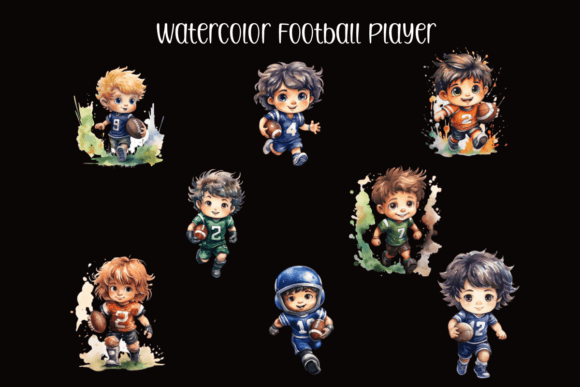
Upon first inspection, the Watercolor Football Player evokes a sense of nostalgic athleticism and vintage charm. Unlike modern, vector-based sports logos that rely on sharp lines and solid blocks of color, this design offers a softer, more humanized interpretation of the sport. For a crafter or small business owner, this mood is significant. It suggests that the finished product will appeal to customers looking for personalized gifts, nursery decor, or boutique-style apparel rather than generic team merchandise. The visual personality feels handcrafted, which aligns perfectly with the values of the handmade community.
However, translating watercolor effects into embroidery requires careful consideration of stitch types. In my experience, achieving this painted look typically involves complex layering of fill stitches with varying densities or specialized running stitch techniques to mimic brush strokes. As a reviewer, I am immediately checking whether the digitizing respects the fabric's integrity. If the design attempts to replicate watercolor through excessive stitch density, it risks creating a stiff, bulletproof patch that distorts lightweight garments. Conversely, if it is too sparse, the design may lack definition. The Watercolor Football Player appears to balance these elements well, suggesting it was digitized with garment wearability in mind, but verification on scrap fabric is always mandatory.
Real-World Application: The Custom Sweatshirt Test
To truly evaluate this design, I mentally place it in a specific production scenario: creating a custom embroidered sweatshirt for a high school senior gift or a football mom’s sideline gear. This is a common request for craft businesses during the fall season. A sweatshirt provides a stable, medium-weight canvas that generally handles detailed illustrations better than thin t-shirts or stretchy performance wear.
In this context, the Watercolor Football Player serves as a strong focal point. For a chest placement on a crewneck, the design needs to be sized appropriately to maintain detail without overwhelming the garment. I would recommend testing the design at 4x4 inches and 5x7 inches to see where the artistic details begin to degrade. Watercolor styles often lose their magic when shrunk too small because the subtle color transitions merge into muddy blocks of thread. On a sweatshirt, using a cutaway stabilizer is non-negotiable to prevent the knit fabric from pulling against the intricate fill stitches. The result should be a soft, flexible embroidery that moves with the garment, preserving the comfort expected in custom apparel.
Navigating Fabric Choices and Technical Constraints
While the design shows promise for fleece and cotton blends, there are specific environments where I would advise caution. The nature of watercolor illustrations means they often rely on lighter thread colors and open shading to create depth. Consequently, using this design on dark fabrics can be problematic unless the digitizer included a white underlay base. Without that foundation, the delicate pastel or muted tones typical of watercolor art will sink into black or navy fabric, rendering the player invisible or washed out. Always check your embroidery file preview for an underlay layer before committing to dark garments.
Furthermore, textured fabrics like terry cloth towels or nubby linen can interfere with the fine details of this illustration. The irregular surface of the fabric competes with the simulated brush strokes, potentially making the football player look pixelated or messy after stitching. For tea towels or kitchen linens, I would suggest using a water-soluble topping to flatten the fabric pile during stitching, ensuring the satin stitch outlines and fill areas remain crisp. Regarding caps and curved surfaces, proceed with extreme care. Watercolor designs are rarely optimized for the distortion inherent in cap framing. Unless you have verified that this specific file has been tested on a curved brim, stick to flat hoops for tote bags, pillow covers, and apparel to maintain the artist’s intended proportions.
Commercial Viability for Makers and Sellers
For Etsy sellers and creative entrepreneurs, the value of an embroidery design lies in its ability to generate sales and minimize production errors. The Watercolor Football Player has strong commercial potential because it taps into the evergreen sports niche while offering a differentiated aesthetic. Most sports embroidery is bold and aggressive; this design captures the "football wife," "proud grandma," or "vintage collector" demographics effectively. It works beautifully for holiday embroidery projects, baby announcements featuring football themes, and personalized patches for leather jackets.
When listing finished products made with this design, presentation is key. Because watercolor embroidery has a unique texture, your printable mockup should accurately reflect the stitch direction and sheen. Do not use a flat digital image of the illustration as your product photo; customers need to see how the thread interacts with the fabric to trust the quality. Highlighting the handmade nature of the watercolor effect can justify a higher price point compared to standard licensed sports gear. However, before adding this to your shop, you must confirm the licensing terms of the digital embroidery file. Ensure you have the right to sell physical items made with this design and understand any restrictions on mass production or digital redistribution.
Essential Designer Notes for Success
Before you hoop your first project, adhere to these practical guidelines to ensure professional results:
- Test Stitch on Scrap: Never run this design directly on a final product without a test. Use a fabric weight similar to your intended project to check for puckering and registration issues between color changes.
- Verify Thread Colors: Watercolor designs often require specific thread shades to achieve the gradient effect. Check if the digitizer provided a color chart. Generic substitutions might result in harsh contrasts that ruin the soft aesthetic.
- Check Hoop Size Compatibility: Confirm the dimensions fit your machine’s maximum embroidery area. Resizing watercolor art by more than 10-15% can distort stitch angles and ruin the painted illusion.
- Stabilizer Selection: Match your stabilizer to the fabric, not just the design. Knits need cutaway; wovens need tear-away; sheer fabrics need wash-away. The wrong choice will cause the detailed edges to pull away from the background.
- Inspect Small Details: Zoom in on the embroidery file software to check for tiny jump stitches or isolated satin columns. These are potential failure points during washing or wear.
- Wash Testing: If selling baby embroidery or items requiring frequent laundering, wash your test sample. Watercolor fills can sometimes unravel if the securing stitches are insufficient for high-agitation cycles.
The Watercolor Football Player is a versatile and emotionally resonant asset for the modern embroiderer. By respecting the technical requirements of translating illustrative art into thread, you can transform this digital file into a cherished handmade product. Whether you are crafting a personalized gift for a loved one or building a seasonal collection for your small shop, approaching this design with technical mindfulness ensures that the final stitched result honors both the artwork and your craftsmanship. Always prioritize testing and fabric compatibility, and this design will serve as a reliable staple in your commercial embroidery library.