Vintage Teddy Bear Watercolor Clipart Illustrations
Evaluating Nostalgic Warmth for Artisan Brand Identity
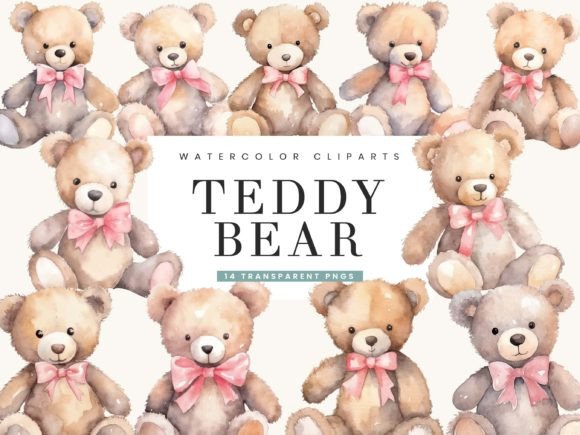
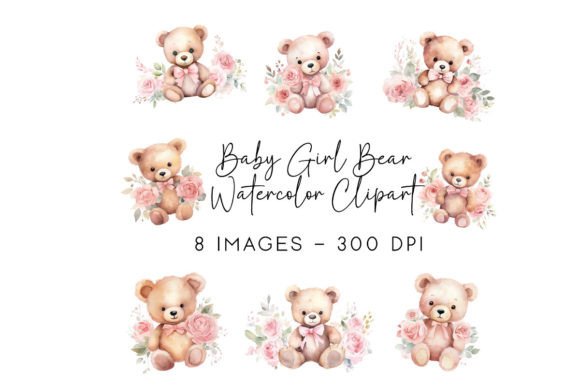
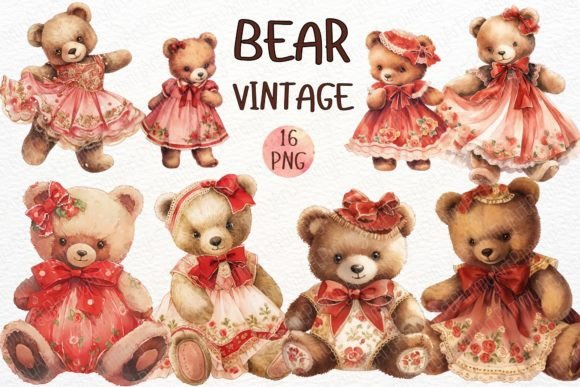
As a brand designer specializing in local businesses and handmade goods, my first interaction with any graphic design asset is strictly analytical. When reviewing Vintage Teddy Bear Watercolor Clipart for a recent project involving a heritage children’s boutique and an organic baby skincare line, the immediate impression was one of softened nostalgia. This is not merely a decorative element; it is a mood setter. The watercolor texture suggests hand-painted authenticity, while the vintage styling evokes trust, tradition, and gentle care. For small business branding, this specific aesthetic bridges the gap between playful and premium. It avoids the sterile look of modern vector art, offering instead a tactile quality that resonates deeply with parents, gift-givers, and customers seeking products with a story. In the context of professional branding, this clipart signals that a business values craftsmanship over mass production.
Strategic Applications in Packaging Design and Product Labels
In real-world commercial design, versatility is non-negotiable. During the development phase for the baby skincare client, we utilized these illustrations across multiple touchpoints to create a cohesive visual language. For packaging design, the soft edges of the teddy bear watercolor work exceptionally well as a secondary graphic on product labels. Unlike bold, solid icons that can compete with regulatory text, the translucent nature of watercolor allows typography to remain legible while adding emotional weight to the container. We found this asset particularly effective for hang tags on clothing items and thank-you cards included in e-commerce shipments. These printable design elements transform a standard unboxing experience into a memorable brand interaction. Furthermore, when adapted for social media graphics, the clipart serves as an excellent framing device for product photography or promotional announcements, maintaining visual consistency from physical shelves to digital feeds without appearing repetitive.
Enhancing Customer Trust Through Visual Hierarchy
The primary function of incorporating Vintage Teddy Bear Watercolor Clipart into a brand identity is to strengthen the emotional connection with the audience. For local businesses like bakeries, florists, or children's product sellers, trust is often established visually before a customer reads a single word of copy. This illustration style supports a clear visual hierarchy by acting as a supportive accent rather than a dominant focal point. When placed correctly on a menu, price list, or website banner, it guides the eye gently, creating a sense of comfort and safety. This is crucial for handmade businesses where the perceived value relies heavily on the "human touch." By using consistent illustrative motifs, we improve product recognition and shelf appeal. Customers begin to associate the specific watercolor texture and vintage form with the quality of the goods inside, leading to stronger brand loyalty and improved customer retention in a crowded marketplace.
Optimal Placement for Boutique and Seasonal Campaigns
Through extensive testing on product mockups, I have identified specific environments where this asset performs best. It shines in editorial design contexts, such as lookbooks or seasonal campaign visuals for holidays like Christmas or Easter. The vintage aesthetic naturally aligns with festive traditions, making it ideal for limited-edition packaging or special promotional ads. For boutique owners, these illustrations serve as perfect hero graphics on landing pages or as background textures for email marketing headers. They are also highly effective in Canva templates for non-designers who need to maintain a polished look without hiring an agency for every update. However, the asset is most powerful when used as a narrative tool—telling the story of childhood, memory, and artisanal care—rather than just filling empty space. In web design, it adds necessary warmth to otherwise rigid grid layouts, softening the user interface and encouraging longer engagement times.
Navigating Limitations in Formal and Technical Layouts
Despite its charm, Vintage Teddy Bear Watercolor Clipart requires careful handling to avoid undermining professional branding efforts. It should be used sparingly in formal corporate contexts or luxury minimalist brands where clean lines and negative space define the aesthetic. Overusing nostalgic imagery can inadvertently make a business appear dated or amateurish if not balanced with modern typography. Additionally, designers must exercise caution on crowded product packaging or ingredient-heavy layouts. The intricate details of watercolor can become muddy when scaled down too small, losing definition on tiny jar labels or legal information areas. Low-contrast backgrounds are another danger zone; because watercolor relies on subtle tonal shifts, placing it on a busy pattern or dark color without adequate masking will render the illustration invisible. Always prioritize readability and compliance over decoration. If the clipart distracts from essential product information or safety warnings, it has failed its purpose as a functional design element.
Essential Pre-Press Checks and Licensing for Commercial Use
Before committing this graphic design asset to print or digital publication, rigorous technical validation is mandatory. As part of my standard workflow, I always test the asset in black and white to ensure it retains contrast and recognizability without color dependency. This is vital for receipts, embossed packaging, or single-color newspaper ads. Reviewing PNG transparency is equally critical; jagged edges or white halos around the subject matter will instantly cheapen the final output. If SVG design files are available, inspect the vector paths to confirm they are editable and scalable without pixelation. Typography pairing is another key consideration; this vintage style typically harmonizes best with classic serif fonts or elegant scripts, whereas bold geometric sans-serifs may create visual dissonance. Finally, and perhaps most importantly, verify the commercial license. Whether sourcing from a creative marketplace or a direct artist, ensuring you have the right to use the clipart for client work, physical product sales, and marketing visuals protects your business from legal complications. A professional designer never assumes usage rights; confirmation is the foundation of ethical commercial design.
Integrating Digital Assets into Physical Brand Experiences
Ultimately, the success of Vintage Teddy Bear Watercolor Clipart lies in its ability to translate digital charm into tangible business value. For food businesses, home decor shops, and makers, this asset offers a shortcut to establishing a warm, inviting atmosphere. However, it must be treated with the same strategic rigor as a logo or color palette. Test it beside competitor packaging to ensure distinctiveness. Print physical proofs to check color accuracy, as screen colors often differ significantly from CMYK output. Compare it against your existing brand identity to guarantee alignment. When executed with intention, these illustrations do more than decorate; they communicate. They tell the customer that this product was made with care, that this local business understands their desires, and that there is a human being behind the brand. In an era of automated commerce, that genuine, illustrated connection is a powerful differentiator for any creative entrepreneur aiming for long-term growth and recognition.