Steampunk Frog Watercolor Png: An Embroidery Review
First Impressions: Whimsy Meets Mechanical Detail
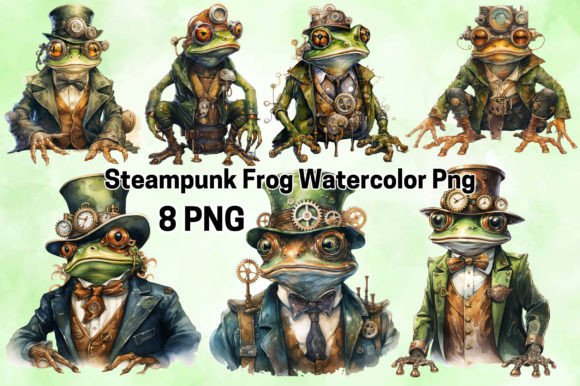
When I first opened the Steampunk Frog Watercolor Png, my immediate reaction was a mix of delight and professional caution. As an illustrator, the artwork is charming; it captures that specific niche aesthetic where Victorian industrialism meets cottagecore nature. The watercolor texture provides a soft, organic backdrop to what are likely harder, metallic mechanical elements. However, as an embroidery designer evaluating this for real-world production, my mind instantly shifted from "pretty picture" to "stitch translation." Watercolor illustrations are notoriously tricky to digitize effectively because they rely on color blending and transparency, whereas machine embroidery relies on distinct thread layers and physical texture.
The mood of this design is undeniably unique. It feels nostalgic yet playful, making it a strong candidate for alternative apparel or niche boutique items. Unlike generic frog clipart, this steampunk variation carries a narrative weight. It suggests gears, goggles, brass fittings, and perhaps a tiny vest. For a maker, this visual personality is gold because it targets a specific audience passionate about fantasy and vintage aesthetics. But before I commit this to fabric, I have to assess whether those delicate watercolor washes will read as muddy fill stitches or if the mechanical details will hold up at smaller sizes.
Real-World Application: The Canvas Tote Test
To truly evaluate this asset, I mentally placed it into a current client project: a custom embroidered tote bag for a local bookshop’s fantasy reading club. Tote bags are excellent test subjects because the canvas fabric texture interacts heavily with stitch density. A smooth satin stitch looks different on denim than it does on woven cotton.
For this tote bag design, the Steampunk Frog Watercolor Png offers a fantastic centerpiece. I envision placing it centrally, roughly 5x7 inches, allowing enough room for the mechanical details to breathe. In this scenario, the watercolor aspect serves as a guide for thread color selection rather than a literal map. I would use variegated threads to mimic the painterly gradients of the original illustration, giving the finished product a handmade, artisanal quality that flat vector art cannot achieve. The contrast between the rugged canvas and the whimsical, detailed frog creates a tactile experience that customers love at craft fairs.
This design also shows promise for sweatshirt embroidery. On fleece, however, the strategy changes. Fleece can swallow fine details. If using this PNG for apparel, I would prioritize the bold outlines and larger gear shapes over the subtle background shading. The goal is readability from a distance. For personalized gifts like nursery decor or baby blankets, the steampunk theme might be too edgy unless requested specifically, but for teen or adult custom apparel, it hits the perfect sweet spot of trendy and timeless.
Navigating Technical Challenges and Fabric Choices
While the artistic merit is high, practical application requires careful navigation. Watercolor-style digital embroidery files often suffer from excessive stitch density as digitizers attempt to replicate color gradients. Before stitching this out, you must verify the stitch density. If the file is too dense, it will cause puckering on lighter fabrics or break needles on thicker ones. Always run a test stitch-out on scrap fabric that matches your final project's weight and weave.
Fabric texture plays a massive role here. On a smooth poplin or quilting cotton, the intricate details of the frog’s goggles and vest will shine. On a textured linen or terry cloth, those same details may get lost. If you plan to use this for kitchen towels or tea towels, consider simplifying the design or adding a solid backing shape to create a visual anchor. Dark fabrics present another challenge; watercolor designs usually assume a white background. Stitching this on black denim requires either a white underlay base (which adds bulk) or re-colorizing the design entirely to ensure the mechanical elements pop against the dark ground.
Be wary of small hoop sizes. Steampunk aesthetics rely on tiny cogs, screws, and filigree. Scaling this design down to fit a 4x4 hoop or a cap frame risks turning those distinct mechanical parts into indistinguishable blobs. If you intend to make embroidered patches or hat logos, confirm that the line weights in the source PNG are thick enough to translate into clean satin stitches or running stitches at reduced scales. Tiny lettering or micro-details often need to be removed or exaggerated during the digitizing process to remain legible.
Commercial Viability and Brand Perception
For Etsy sellers and small business owners, this illustration offers distinct commercial advantages. Niche designs reduce direct competition. While everyone sells floral frogs, fewer offer high-quality steampunk amphibians. This specificity helps with SEO and buyer engagement. When listing a handmade product featuring this design, highlight the fusion of art styles. Customers perceive higher value in items that look like wearable art rather than mass-produced merchandise.
However, professionalism hinges on execution. A poorly stitched watercolor design looks messy and amateurish, damaging brand trust. Ensure your thread colors harmonize well; muddy color transitions in thread look worse than in print. Use high-quality stabilizer appropriate for the fabric to prevent distortion, especially around the circular gear shapes which can easily pull out of round. For commercial embroidery projects, consistency is key. Once you establish a thread palette that successfully translates the watercolor effect, document it strictly for future runs to maintain brand consistency across different products.
If you sell digital assets or printable mockups, this PNG is versatile. It works beautifully for previewing how a design might look on various substrates before investing in digitizing. Just remember to clearly communicate licensing terms to your own customers if you are selling finished goods derived from this asset. Transparency builds long-term client relationships.
Designer Notes for Successful Execution
Before launching this Steampunk Frog Watercolor Png into production, adhere to these practical checkpoints:
- Verify Licensing: Confirm whether your purchase includes commercial rights for both physical products and digital resale. Never assume usage rights based on the image alone.
- Test Contrast: Print the PNG in grayscale. If the mechanical details disappear against the background in black and white, they will likely vanish in thread. Adjust contrast or add outlines during digitizing.
- Check File Specifications: Since specific stitch counts and formats aren't listed here, you must inspect the actual embroidery file metadata. Ensure it fits your machine’s maximum field size without excessive resizing.
- Stabilizer Selection: For watercolor-style fills, use a cut-away stabilizer for stretchy fabrics to support the dense stitch areas. Tear-away may not provide enough stability for complex shading.
- Mockup Testing: Create digital mockups on both light and dark garments. What looks vibrant on a white screen may need significant adjustment for navy sweatshirts or olive aprons.
- Detail Audit: Zoom in to 100% on the PNG. Any detail smaller than 1mm in the final stitch-out size should be considered for removal or simplification to prevent needle breaks and thread bunching.
Ultimately, the Steampunk Frog Watercolor Png is a delightful asset with immense potential for makers willing to respect its technical demands. It bridges the gap between digital illustration and textile art beautifully, provided you approach the transition with a critical, experienced eye. By focusing on stitch clarity, appropriate fabric pairing, and thoughtful color translation, you can turn this whimsical illustration into a best-selling embroidery project that stands out in a crowded marketplace.