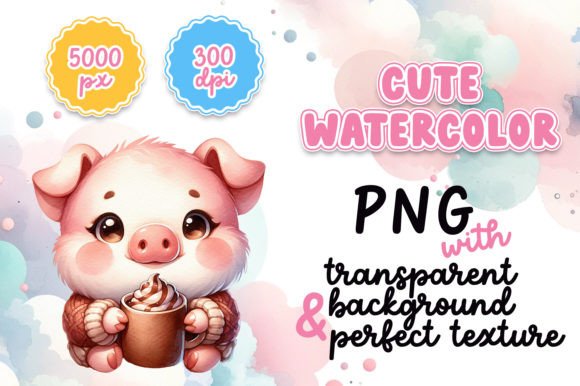
Cute Watercolor Piglet with Hot Cocoa Review
As an embroidery designer who has digitized and stitched out hundreds of seasonal motifs, I approach every new machine embroidery design with a critical eye. It is not enough for a graphic to look charming on a screen; it must translate into thread without losing its soul or causing production headaches. When evaluating the Cute Watercolor Piglet with Hot Cocoa, my primary focus is on how this illustration transitions from digital art to a tangible handmade product. This design falls squarely into the Illustrations category, suggesting a softer, more artistic aesthetic than standard cartoon clipart. For small business owners and makers, understanding the practical behavior of this design is essential before committing it to inventory or client projects.
First Impressions and Seasonal Mood
The immediate appeal of the Cute Watercolor Piglet with Hot Cocoa lies in its cozy, nostalgic atmosphere. Unlike rigid vector art, the watercolor style implies soft edges and blended colors, which presents both opportunities and challenges for embroidery. Visually, it evokes warmth, making it an instant candidate for holiday embroidery and winter merchandise. The composition feels balanced, with the piglet serving as a central anchor and the hot cocoa providing contextual storytelling. For an Etsy seller or boutique owner, this specific mood is valuable because it sells an emotion, not just an image. However, as a reviewer, I immediately look at how those watercolor gradients are interpreted in stitch. If the digitizer has used excessive density to mimic paint, the design could become stiff. If they have relied too heavily on running stitches for shading, it might lack definition on textured fabrics.
Real-World Application: Stitching a Winter Sweatshirt
To truly judge this asset, I mentally place it in a real production scenario. Let’s say I am preparing a batch of custom apparel for a holiday pop-up shop, specifically cream-colored fleece sweatshirts. This is where the Cute Watercolor Piglet with Hot Cocoa needs to perform. On fleece, the pile can swallow fine details. If the piglet’s facial features rely on tiny satin stitches or delicate fill areas, they risk getting lost in the fabric texture. In this case, I would verify that the stitch density is sufficient to sit on top of the nap without becoming bulletproof.
Conversely, if I were using this as a tote bag design on cotton canvas, the concern shifts to durability and washability. Canvas is forgiving, but tote bags take a beating. The hot cocoa mug element likely contains liquid fills or complex color blending. I need to ensure these areas are stable enough to withstand repeated washing without puckering. For a personalized gift like a baby blanket, the softness of the stitch-out becomes paramount. A watercolor style should feel plush against the skin, not scratchy. If the embroidery file uses harsh jump stitches or dense underlay to achieve the painterly effect, it would be unsuitable for infant wear despite its cute appearance.
Navigating Fabric Choices and Technical Constraints
Not every project is a safe harbor for illustrative embroidery. When considering the Cute Watercolor Piglet with Hot Cocoa, you must be cautious with certain substrates. Dark fabrics are particularly risky for watercolor-style designs. These illustrations often rely on pastel threads and light background blending to create depth. On black or navy material, those subtle highlights disappear, leaving the piglet looking flat or muddy. Unless the design includes a white underbase or applique foundation specifically meant for dark garments, stick to light or neutral backgrounds to preserve the intended visual personality.
Stretchy fabrics like ribbed knits or performance wear also demand scrutiny. Watercolor effects often require varied stitch angles to simulate brush strokes. On unstable stretch fabric, these directional changes can cause distortion or tunneling if the stabilizer choice isn't perfect. Similarly, curved surfaces like caps present alignment issues. If the hot cocoa steam or the piglet’s ears extend vertically, they may distort around the cap's curve. Always check the physical dimensions against your hoop size capabilities. A design that looks spacious on screen might have elements too close to the hoop edge for safe stitching, especially in smaller 4x4 hoops common for baby items.
Elevating Product Value and Brand Perception
For creative entrepreneurs, the choice of design assets directly impacts perceived value. Using the Cute Watercolor Piglet with Hot Cocoa signals a departure from generic, mass-produced aesthetics. It suggests a curated, artisanal quality that resonates with buyers seeking unique small shop products. When customers see a cohesive, well-executed illustration rather than a pixelated cartoon, trust increases. This design works exceptionally well for creating themed collections—pairing it with matching tea towels, nursery decor, or holiday cards creates brand consistency.
However, professionalism comes from execution. A poorly stabilized stitch-out of this design will look amateurish regardless of the art's quality. For commercial embroidery ventures, clarity is king. Ensure the thread colors match the watercolor palette accurately; a neon pink instead of a dusty rose destroys the vintage vibe. High-quality presentation matters equally online. Use accurate printable mockups that reflect the true texture of the embroidery. Buyers need to see how the light catches the thread, distinguishing your finished product from a digital print. This transparency reduces returns and builds a loyal customer base who understands they are purchasing a tactile, handmade item.
Essential Designer Notes for Success
Before loading this digital embroidery file into your machine for a final product, adhere to these practical protocols:
- Test on Scrap Fabric First: Never assume the digitizing is perfect for your specific material. Stitch a sample on the exact fabric and stabilizer combination you intend to use for the final project.
- Verify Thread Color Contrast: Watercolor designs depend on subtle tonal shifts. Lay out your physical thread spools against the fabric to ensure there is enough contrast between the piglet, the cocoa, and the background.
- Inspect Small Details: Zoom in on the embroidery file software. Check for tiny satin columns or isolated stitches that might break needles or fray during production.
- Review Licensing Terms: Confirm whether your purchase allows for commercial use on finished goods versus digital redistribution. Protecting your business means respecting intellectual property.
- Check Stabilizer Requirements: Given the illustrative nature, determine if cut-away, tear-away, or water-soluble topping is necessary to maintain crisp edges and prevent puckering.
- Mockup Accuracy: If selling online, photograph actual test stitches rather than relying solely on software renders. Real photos show true stitch density and color accuracy.
The Cute Watercolor Piglet with Hot Cocoa offers immense potential for makers willing to treat it with technical respect. It bridges the gap between digital artistry and traditional needlework beautifully when executed correctly. By understanding its behavior across different fabrics and applications, you transform a simple illustration into a profitable, cherished embroidery project. Whether you are crafting a personalized holiday gift or stocking your Etsy store for the winter rush, let practical judgment guide your creativity. The result will be a product that feels as warm and inviting as the design itself, securing both customer satisfaction and professional pride.