Cute Watercolor Otter with Hot Cocoa Review
As an embroidery designer who has digitized and stitched out countless illustrations, I approach every new machine embroidery design with a critical eye. It is not enough for artwork to be adorable on a screen; it must translate into thread without losing its charm or causing production headaches. When evaluating the Cute Watercolor Otter with Hot Cocoa, my primary focus is on how this specific illustration behaves when converted from pixels to stitches. This design falls squarely into the Illustrations category, but for makers and shop owners, its true value lies in its versatility as a seasonal staple that bridges the gap between nursery decor and adult winter apparel.
Translating Watercolor Aesthetics to Thread
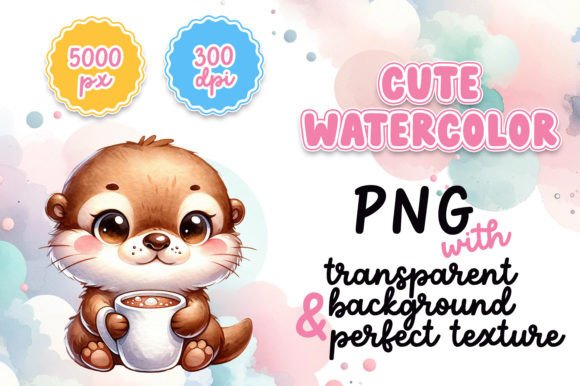
The first impression of the Cute Watercolor Otter with Hot Cocoa is undeniably cozy. The visual personality is soft, rounded, and inviting, which immediately suggests it belongs on items meant for comfort. However, watercolor styles present unique challenges in embroidery. Unlike flat vector art, watercolor relies on gradients and soft edges. In a digital embroidery file, achieving this look requires complex layering of fill stitch patterns and varying stitch density. If the digitizer has handled this well, the otter should appear fluffy rather than blocky. The hot cocoa mug serves as a grounding element, likely utilizing cleaner satin stitch borders or defined running stitch outlines to provide structure against the softer texture of the animal.
For a handmade product, this contrast is vital. I look for designs where the mug acts as a visual anchor, preventing the watercolor effect from looking muddy once stitched. If you are an Etsy seller or boutique owner, this aesthetic balance is what separates professional merchandise from amateur crafts. The design needs to retain that painted quality without becoming so dense that it creates a bulletproof patch on your fabric.
Real-World Application: The Winter Tote Bag Test
To truly judge this design, I mentally place it in a real-life production scenario. Imagine preparing a custom canvas tote bag for a holiday craft fair or a personalized gift for a teacher. Canvas is a textured, unforgiving fabric that can swallow fine details. In this context, the Cute Watercolor Otter with Hot Cocoa needs to hold its own against the weave of the material.
When stitching this as a tote bag design, I would prioritize placement in the lower third or centered high, depending on the bag's dimensions. The warm tones of the cocoa and the neutral shades of the otter provide excellent contrast against natural unbleached canvas. However, because watercolor-style embroidery often uses lighter thread colors to simulate paint washes, I would be cautious about using this on dark fabrics unless the design includes a white underlay or background element. Without that base, the delicate shading could disappear into a navy or black sweatshirt.
For sweatshirt embroidery, specifically on fleece or French terry, the design’s mood aligns perfectly with the garment's function. This is where the Cute Watercolor Otter with Hot Cocoa shines as a commercial asset. Customers associate this imagery with relaxation and warmth, making it an ideal candidate for lounge wear or holiday pajamas. As a small shop product, this design has high perceived value because it evokes a specific feeling, encouraging impulse buys during the colder months.
Navigating Fabric Limitations and Hoop Sizes
While the design is versatile, practical judgment dictates where it should not be used. Not every embroidery project is suitable for detailed illustrative work. I would advise against using this design on highly stretchy performance fabrics or thin, sheer materials unless you are an expert at stabilization. The variable density required to create the watercolor effect can cause puckering on unstable knits if the proper stabilizer is not used.
Furthermore, consider the hoop size carefully. Watercolor illustrations lose their magic when shrunk too small. If you attempt to resize the Cute Watercolor Otter with Hot Cocoa down to a 2-inch logo size for a baby onesie or cap, the intricate shading will likely turn into a solid blob of thread. For baby embroidery, ensure the design remains large enough to preserve the facial expression and the steam details on the mug. Always check the minimum recommended size in the embroidery file metadata before committing to a project. Caps are another danger zone; the curved surface and center seam often distort detailed illustrations. Unless this design was specifically digitized for caps, stick to flat surfaces like pillow covers, aprons, or tea towels for the best results.
Commercial Viability and Customer Perception
For creative entrepreneurs, the question is always: will this sell? The Cute Watercolor Otter with Hot Cocoa taps into the enduring popularity of cottagecore and woodland themes, but with a seasonal twist that increases its turnover rate. As a holiday embroidery motif, it avoids being tied to a specific religious tradition, broadening your potential customer base. It works equally well for Christmas markets, general winter sales, or Valentine’s Day promotions.
Visual appeal directly impacts buyer engagement. When creating printable mockups or listing photos, ensure the embroidery texture is visible. Customers trust sellers who show the actual stitch-out rather than just the digital rendering. The tactile nature of this design—where you can almost feel the warmth of the cocoa through the thread work—is its strongest selling point. For those selling design assets or finished goods, maintaining brand consistency is key. This otter pairs beautifully with other woodland illustrations, allowing you to build a cohesive collection for your shop.
Essential Designer Notes Before You Stitch
Before loading this digital embroidery file into your machine for a client order or inventory run, follow these practical steps to ensure success:
- Test on Scrap Fabric First: Never assume the digitizing is perfect for your specific machine tension. Stitch out the Cute Watercolor Otter with Hot Cocoa on a scrap of the exact fabric you intend to use for the final product.
- Verify Stabilizer Choice: Watercolor effects often require cut-away stabilizer to support the varying densities. Using tear-away might result in distortion around the mug handle or the otter’s paws.
- Check Thread Color Contrast: Review the color chart included with the file. If you are substituting threads, test them in natural light. What looks like a subtle shadow on screen might stitch out as a harsh line if the value difference is too great.
- Inspect Small Details: Look closely at the steam rising from the cocoa and the otter’s eyes. These are typically running stitch or fine satin elements. If they are too thin for your needle size or fabric texture, consider editing the file to slightly thicken them.
- Confirm Licensing: Whether you are selling a personalized gift, a mass-produced item, or the file itself, verify the license terms. Ensure you have the right to use this illustration for your specific business model.
- Mockup Testing: Create both light and dark background mockups to see how the design translates digitally before you waste thread. This helps in marketing the design effectively across different platforms.
Ultimately, the Cute Watercolor Otter with Hot Cocoa is more than just a cute graphic; it is a functional design asset that, when treated with technical respect, can elevate your product line. By understanding its behavior on different textiles and respecting its detail limitations, you can transform this charming illustration into a profitable and beloved addition to your embroidery repertoire. Always let the fabric and the stitch type guide your decisions, ensuring that the final finished product honors the original artistry while standing up to real-world wear and washing.