Whale Watercolor Clipart Illustrations for Branding
Evaluating the Gentle Aesthetic for Local Business Identity
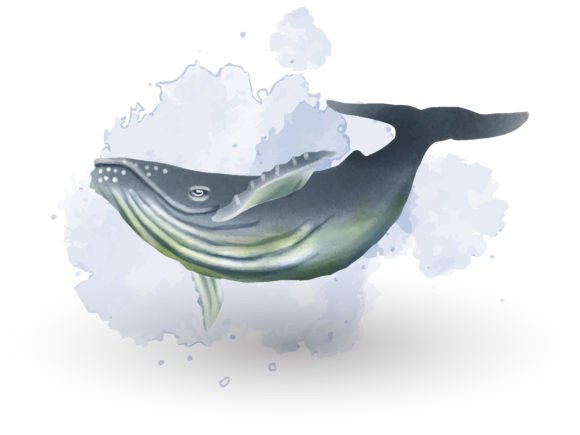
As a brand designer specializing in local commerce and artisanal goods, my first interaction with any graphic design asset is purely emotional. Before I check resolution or licensing, I ask: does this evoke a feeling that aligns with my client’s story? Upon reviewing the Whale Watercolor Clipart Illustration, the immediate impression is one of serene nostalgia and organic softness. This is not a corporate vector; it possesses the fluid imperfections of hand-painted art that signal authenticity. For a small business owner, this specific mood suggests a brand personality that is nurturing, eco-conscious, and approachable.
This illustration style naturally fits businesses rooted in care and nature. I immediately envision this asset working beautifully for a handmade soap company using sustainable ingredients, a boutique baby clothing store, or an ocean-friendly skincare line. The watercolor texture communicates "handmade" without needing to explicitly state it. It feels premium yet accessible, striking that difficult balance between professional polish and artisanal warmth. Unlike rigid digital art, these illustrations carry a human touch that builds instant rapport with customers seeking genuine connection over mass production.
Translating Art into Functional Packaging Design
In a recent project for a coastal candle maker, we needed visuals that felt local but not cliché. The Whale Watercolor Clipart Illustration served as the perfect anchor for their packaging design. When applying this asset to physical products, versatility is key. I found this clipart exceptionally useful for creating secondary brand elements rather than serving as the primary logo. While it could inspire a logo design, its detailed painterly nature often works better as a supporting visual motif across various touchpoints.
For product labels, this illustration acts as a framing device. Placing a subtle whale graphic behind typography on a glass jar creates depth and draws the eye without competing with mandatory legal text. In small business branding, where budget constraints often limit custom illustration commissions, high-quality clipart bridges the gap. We utilized this asset on hang tags for retail displays, turning simple price markers into collectible keepsakes. The same graphic was scaled up for thank-you cards included in e-commerce orders, reinforcing the unboxing experience. Consistency across these physical touchpoints transforms a generic product into a cohesive brand narrative.
Enhancing Digital Presence and Marketing Visuals
Beyond physical goods, this asset proves invaluable for social media graphics and web design. Local businesses often struggle to create content that feels branded rather than stock-photo generic. By integrating the Whale Watercolor Clipart Illustration into Instagram templates or website banners, we established a recognizable visual language. The soft edges of the watercolor blend seamlessly with lifestyle photography, preventing the jarring contrast that sometimes occurs when placing crisp vectors over organic images.
For a seasonal campaign promoting marine conservation donations, this illustration provided the necessary emotional hook. It softened the messaging, making the call-to-action feel inviting rather than demanding. In editorial design for newsletters or blog headers, the clipart breaks up dense text, improving readability and keeping the audience engaged. This demonstrates how a single digital product can extend the lifespan of marketing materials while maintaining a consistent aesthetic across platforms.
Strategic Placement for Maximum Shelf Appeal
Understanding where to place this asset is just as important as the asset itself. Through testing, I have identified specific applications where the Whale Watercolor Clipart Illustration elevates professional branding:
- Product Mockups: Use the illustration to add context to blank packaging renders before printing, helping clients visualize the final emotional impact.
- Boutique Signage: Scale up for window decals or chalkboard accents to reinforce the thematic atmosphere of a physical retail space.
- Printable Inserts: Perfect for care instruction cards or origin stories tucked inside shipping boxes to enhance customer retention.
- Hero Graphics: Serve as the central focal point on landing pages dedicated to specific product collections like "Ocean Series" or "Baby Basics."
- Decorative Borders: Create custom frames for certificates of authenticity or limited edition numbering on artisanal goods.
These applications leverage the illustration's inherent charm to strengthen visual hierarchy and guide the customer’s journey from discovery to purchase.
Navigating Limitations and Design Constraints
However, no asset is universally applicable. As an experienced designer, I must highlight where caution is required. The Whale Watercolor Clipart Illustration should be used carefully in formal corporate environments or luxury minimalist brands where clean lines and negative space are paramount. The organic bleed of watercolor can look messy against stark, high-contrast backgrounds if not masked properly.
Avoid placing this detailed illustration on very small labels where fine brushstrokes will disappear at print size. Similarly, do not use it in ingredient-heavy layouts or areas requiring strict regulatory compliance; the decorative nature may distract from critical safety information. In crowded product label designs, the clipart can reduce legibility. Always prioritize clarity over decoration. If the illustration competes with the brand name or product type, it fails its function. Furthermore, ensure the background transparency is clean; jagged edges around the watercolor wash can ruin an otherwise professional layout.
The Designer’s Pre-Flight Checklist for Commercial Use
Before incorporating this asset into any client work or personal business venture, rigorous testing is non-negotiable. My evaluation process ensures the commercial design outcome is flawless:
- Verify Licensing: Always confirm the commercial license terms. Ensure you have the right to use the asset on physical products for sale, not just for personal digital projects.
- Test Print Quality: Screen resolution differs vastly from print. Print the Whale Watercolor Clipart Illustration at actual size on your intended paper stock to check for pixelation or color shifts.
- Check Monochrome Viability: Test the illustration in black and white. Many local business applications, like receipt tape or embossed seals, require single-color usage. Ensure the form holds up without color definition.
- Typography Pairing: Experiment with various fonts. This watercolor style typically pairs best with elegant serifs or organic handwritten scripts. Avoid overly geometric sans-serifs that may clash with the fluid art style.
- Editability Assessment: Determine if you are working with a flattened PNG or an editable SVG. Vector files allow for color adjustments to match specific brand palettes, whereas raster files offer less flexibility.
- Competitor Analysis: Review similar brands in your niche. Ensure this specific whale motif doesn't inadvertently mimic a direct competitor’s identity, which could confuse customers.
By treating the Whale Watercolor Clipart Illustration as a strategic tool rather than mere decoration, small business owners can achieve sophisticated brand identity results. Whether sourced from a creative marketplace or a specialized designer, this asset offers a pathway to warmer, more resonant branding. It supports the narrative of handmade quality and environmental mindfulness that modern consumers crave. Ultimately, successful branding isn't about using every available graphic; it is about selecting the right visual voice that speaks clearly to your specific audience. When applied with intention and technical diligence, this watercolor whale becomes more than clipart—it becomes a vessel for your brand's story.