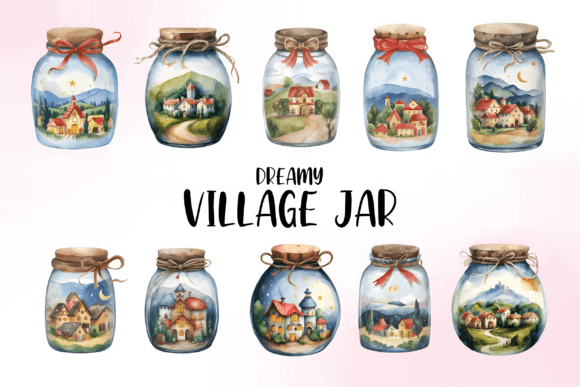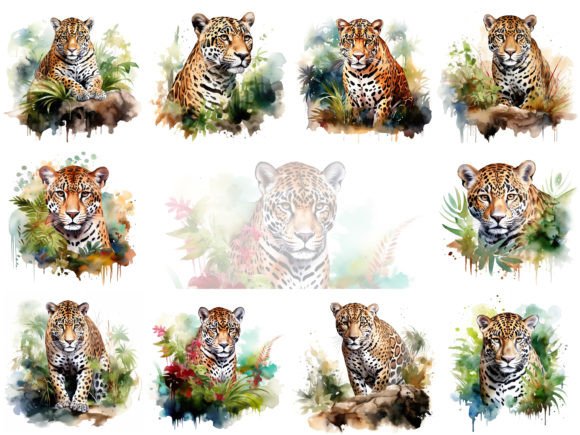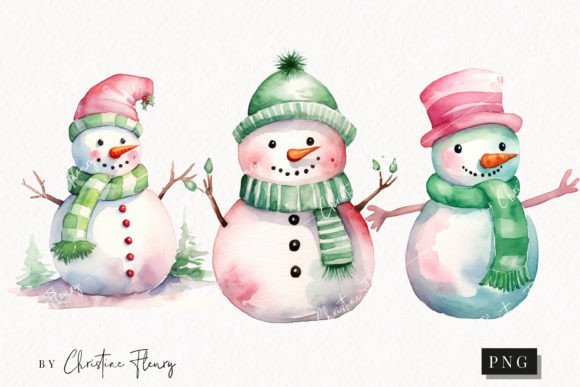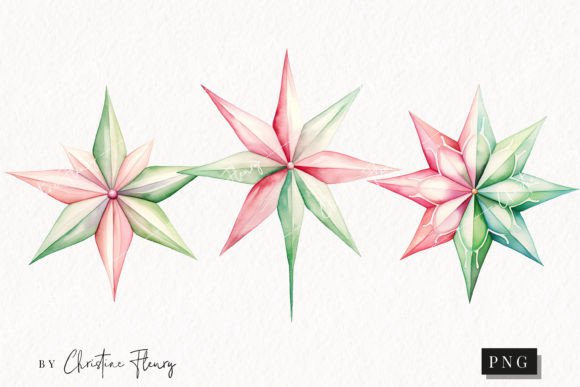
Watercolor Happy New Year Clipart Review
As a professional embroidery designer and product reviewer, I approach every new digital asset with a critical eye toward stitchability. When evaluating Watercolor Happy New Year Clipart, my primary concern is not just how beautiful the illustration looks on a screen, but how effectively it translates into a tangible machine embroidery design. The transition from pixel to thread is where many designs fail, so this review focuses entirely on practical application for crafters, Etsy sellers, and apparel decorators who need reliable results for real-world projects.
First Impressions: Visual Mood and Stitch Translation
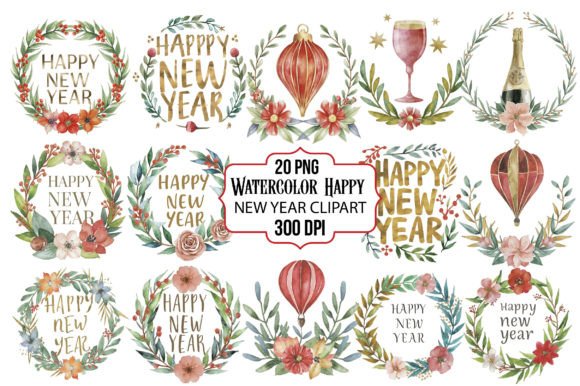
My initial assessment of this Watercolor Happy New Year Clipart centers on its softness and organic flow. Unlike rigid vector art, watercolor illustrations rely on blending, transparency, and irregular edges. For an embroiderer, this presents a unique challenge and opportunity. The mood is undeniably celebratory yet gentle, making it distinct from the bold, high-contrast graphics often associated with holiday embroidery. This softer aesthetic suggests it belongs on premium handmade products rather than mass-produced merchandise.
Visually, the layout feels balanced for center-chest placement or left-chest branding. However, as I analyze the file as a potential embroidery file, I am looking for clear separation between elements. Watercolor styles can sometimes appear muddy if the digitizer has not accounted for thread layering. In this collection, the artistic intent seems to prioritize elegance, which means the resulting stitch density must be managed carefully to prevent fabric distortion while maintaining that signature painted look.
Real-World Application: The Custom Sweatshirt Test
To truly judge the viability of this clipart, I mentally applied it to a current client request: a custom embroidered sweatshirt for a boutique’s New Year launch. Fleece and French terry are unforgiving fabrics; they have texture and nap that can swallow fine details. If I were using this Watercolor Happy New Year Clipart for this specific sweatshirt embroidery project, I would immediately assess the line weight.
For a sweatshirt, the design needs enough substance to sit on top of the fabric pile. If the original illustration features very thin brush strokes, they must be digitized with a slightly wider satin stitch or reinforced with a running stitch underlay to remain visible. In this scenario, the watercolor style actually works in our favor because the inherent variation in the art allows for tonal shading in the thread work. Customers perceive this complexity as higher value compared to flat fills. A finished product featuring this design would likely photograph beautifully for social media, as the matte texture of the thread mimics the paper-like quality of the original artwork, enhancing buyer engagement and perceived professionalism.
Ideal Substrates for Watercolor Holiday Art
Based on the delicate nature of watercolor aesthetics, this clipart performs best when paired with smooth, stable fabrics. Here is where I see the highest success rate for commercial and personal use:
- Tote Bag Design: Canvas and cotton twill provide a flat surface that captures the nuance of watercolor gradients. This is an excellent choice for Etsy sellers creating reusable holiday shopping bags.
- Baby Embroidery: The soft visual tone is perfect for nursery decor or onesies. However, ensure the backing is soft against the skin, as complex color blending can increase stitch count.
- Kitchen Linens: Tea towels and aprons offer a tight weave ideal for detail. This clipart could elevate a simple towel into a boutique-grade personalized gift.
- Patches: Creating an embroidered patch using this art allows you to control the background fabric completely, ensuring the colors pop regardless of the final garment color.
Navigating Technical Limitations and Fabric Risks
While versatile, Watercolor Happy New Year Clipart requires caution in specific contexts. As an experienced reviewer, I must highlight where this style struggles. Avoid using this design on highly textured surfaces like terry cloth bathrobes or ribbed knits unless you are willing to modify the digitizing significantly. The subtle color transitions that define watercolor will be lost in the fabric texture.
Furthermore, be wary of small hoop sizes. Watercolor effects require space for blending stitches. Compressing this art into a 2x2 inch area will likely result in bulletproof stiffness and lost detail. If your project demands a tiny logo size, look for a simplified version or a different asset. Stretchy performance fabrics are also risky; the density required to replicate watercolor shading can cause puckering if the stabilizer choice is inadequate. Always pair this design with a high-quality cutaway stabilizer for stretch fabrics or a medium-weight tear-away for wovens to maintain registration.
Impact on Brand Value and Customer Trust
In the competitive landscape of craft business and online selling, presentation is everything. Using cohesive, high-quality illustrations like this signals to customers that you care about design integrity. When a buyer sees a printable mockup featuring this watercolor art rendered accurately in thread, it builds trust. They understand what they are purchasing is a thoughtful adaptation, not a cheap direct-to-stitch conversion.
For small shop products, this aesthetic supports a higher price point. It moves the item away from generic holiday gear and toward artisanal craftsmanship. Whether you are selling digital embroidery files to other makers or finished goods to consumers, the consistency of this art style helps establish brand recognition. It says "curated" rather than "generated," which is crucial for long-term customer loyalty in the handmade market.
Essential Designer Notes Before You Stitch
Before loading this Watercolor Happy New Year Clipart into your machine for a final run, adhere to these professional protocols to ensure success:
- Verify Licensing: Confirm whether your purchase includes rights for commercial embroidery or finished product sales. Never assume; always check the specific terms attached to the design assets.
- Test on Scrap Fabric: Do not guess. Stitch out the design on the exact fabric you intend to use. Check if the thread colors blend well and if the density causes warping.
- Evaluate Contrast: Watercolor often uses mid-tones. Test the design on both light and dark backgrounds. You may need to adjust thread selection to maintain visibility on darker garments.
- Check Small Details: Inspect any text or fine lines within the clipart. If they are too thin for standard thread, edit the file to add width or simplify the element before stitching.
- Mockup Validation: Create a black and white test stitch-out. This reveals the true structure of the fill stitch patterns without the distraction of color, helping you identify potential tension issues.
- Stabilizer Match: Because watercolor simulations often involve varying densities, ensure your stabilizer can support the heaviest part of the design without distorting the lightest parts.
Ultimately, Watercolor Happy New Year Clipart offers a sophisticated alternative to traditional holiday motifs. By respecting the technical requirements of translating paint to thread, you can create stunning custom apparel and gifts that stand out in a crowded marketplace. Treat the file as a starting point for your craftsmanship, validate its performance on your chosen substrate, and let the unique character of the illustration elevate your next embroidery project.