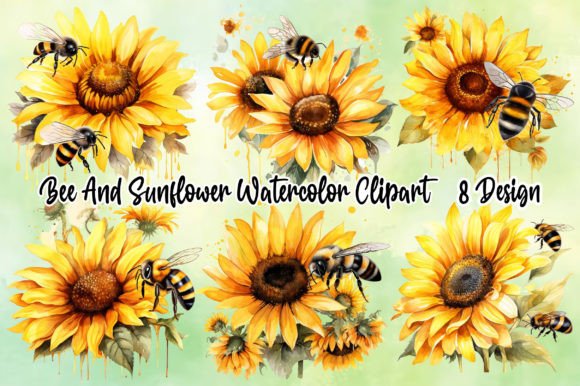
Bee and Sunflower Watercolor Clipart Review
As a designer who spends just as much time behind an embroidery machine as I do at a computer screen, I approach digital assets with a specific set of criteria. When evaluating the Bee and Sunflower Watercolor Clipart for potential use in commercial and personal projects, my first thought isn't just about aesthetic beauty; it is about translatability. Can this illustration survive the transition from pixel to thread? Does the watercolor style offer enough definition for a machine embroidery design, or will it turn into a muddy blob of satin stitches? After reviewing this asset through the lens of a working embroiderer and small business owner, I see significant potential, provided it is applied with intention and technical awareness.
First Impressions: Mood and Visual Personality
The immediate strength of this Bee and Sunflower Watercolor Clipart lies in its organic softness. Unlike rigid vector art, the watercolor edges provide a natural guide for blending thread colors, which is essential for creating depth in embroidery. The mood is undeniably warm, nostalgic, and inviting, making it a prime candidate for handmade products that rely on emotional connection rather than bold branding. For an Etsy seller or boutique owner, this visual personality signals "artisanal" and "thoughtful." However, as a reviewer, I must note that watercolor illustrations often lack hard outlines. In embroidery terms, this means you cannot rely on a simple running stitch border to define the shape. The success of this design depends entirely on how well the digitizer interprets the color gradients into fill stitches and whether the bee’s details remain distinct against the sunflower petals.
Real-World Application: The Custom Tote Bag Test
To truly evaluate this clipart, I mentally placed it into a real-life production scenario: creating a premium canvas tote bag for a summer market collection. Tote bags are a staple embroidery project, but they present unique challenges due to fabric texture and weight. In this context, the Bee and Sunflower Watercolor Clipart performs exceptionally well as a centerpiece. The scale of the sunflower allows for adequate stitch coverage on heavy canvas without requiring excessive density that might distort the fabric.
However, practical judgment dictates caution regarding placement. On a tote bag, the design sits flat, which is ideal. If I were adapting this same artwork for a sweatshirt embroidery project, specifically across the chest or sleeve, the lack of structural lines in the watercolor style could look washed out on heathered fleece. For apparel, I would recommend using this clipart as part of an applique design workflow. Using a solid fabric base for the sunflower petals and stitching the watercolor texture on top preserves the artistic intent while ensuring the design pops against textured garment fabrics. This hybrid approach maintains the integrity of the original Illustrations category aesthetic while solving the physical limitations of stitching on knitwear.
Navigating Fabric Constraints and Hoop Limitations
Not every surface is friendly to watercolor-style embroidery, and this design requires careful substrate selection. While it shines on medium-weight cottons, linens, and canvas, I would advise extreme caution when attempting this on dark fabrics. Watercolor clipart typically relies on white space and light transparency for contrast. Stitching this onto black denim or navy twill requires either a white underlay base (which adds significant density) or accepting that the luminous quality of the original art will be lost. For baby embroidery items like onesies or bibs, the design is charming, but the stitch density must be managed carefully. Infant garments are stretchy and delicate; a dense watercolor fill can cause puckering or make the fabric stiff and uncomfortable. In these cases, simplifying the clipart to focus on the bee and a single petal, rather than the full bloom, is a smarter design choice.
Furthermore, consider your hoop size before committing to a layout. Watercolor effects require smooth transitions between thread colors. If you attempt to shrink this design down to fit a 4x4 hoop for a pocket logo or cap, the subtle shading that defines the "watercolor" look will disappear, leaving blocky patches of color. This artwork demands space to breathe. It is best suited for 5x7 hoops or larger where the needle has enough travel distance to create realistic gradients. For caps or curved surfaces, the flat nature of the original clipart may require manual distortion during digitizing to prevent registration issues on the curved sewing field.
Commercial Viability and Customer Perception
For creative entrepreneurs and Etsy sellers, the value of this asset extends beyond the stitch file itself. The Bee and Sunflower Watercolor Clipart serves as excellent source material for printable mockups and digital product previews. Because the art style is inherently high-value and trendy, it elevates the perceived worth of the finished product. Customers associate watercolor aesthetics with higher price points compared to standard cartoon vectors. When listing a personalized gift featuring this design, the visual appeal directly influences buyer engagement and trust.
However, professionalism requires verification. Before adding this to your craft business inventory, you must confirm the licensing terms. Does the license allow for the sale of physical embroidered goods, or does it extend to selling the digital embroidery file itself? Never assume. Additionally, ensure that the digitized version respects the original artist's work. A poor conversion that ignores the flow of the watercolor wash will result in a finished product that looks amateurish, potentially damaging your brand reputation. The goal is to enhance the clipart through thread, not diminish it.
Designer Notes: Technical Checklist for Success
If you decide to move forward with this Bee and Sunflower Watercolor Clipart for your next collection, treat it as a collaborative process between the digital art and your machine. Here are my non-negotiable steps for ensuring a professional outcome:
- Test on Scrap Fabric First: Never run a new watercolor conversion directly on a client’s garment. The interaction between thread colors and fabric weave varies wildly. Test on the exact material you intend to use.
- Analyze Stitch Density: Open the file in your editing software. Check for areas where multiple layers overlap excessively. Watercolor styles can sometimes hide density spikes that lead to needle breaks or fabric tears. Reduce density in shadow areas if necessary.
- Verify Stabilizer Choice: Because this design likely uses complex fills rather than simple outlines, proper stabilization is critical. Use a cut-away stabilizer for stretchy fabrics to prevent the watercolor shading from distorting after washing. For tea towels or linens, a tear-away may suffice, but only if the design isn't overly dense.
- Check Thread Color Contrast: View the design in grayscale within your software. If the bee disappears into the flower without color, the contrast is too low for embroidery. You may need to adjust the digitized values to ensure the focal point remains clear even if the customer requests a monochromatic thread palette.
- Review Small Details: Inspect the bee’s wings and antennae. If they are rendered as tiny satin stitches less than 1mm wide, they may fray or get lost in the fabric texture. Consider converting these delicate elements to running stitches or micro-satin for better durability in commercial embroidery applications.
- Mockup in Black and White: Before stitching, simulate the design in black and white. This reveals whether the composition holds up based on value alone, ensuring the design is readable regardless of the specific thread brand used.
Ultimately, the Bee and Sunflower Watercolor Clipart is a versatile and evocative asset for the modern maker. It bridges the gap between digital artistry and tactile craft beautifully, provided you respect the technical realities of the medium. By approaching this design with a critical eye toward fabric compatibility, density management, and end-use application, you can transform a lovely digital illustration into a stunning, sellable embroidered product that resonates with customers and stands the test of wear. Always remember that in embroidery, the best design is one that looks as good after fifty washes as it did coming off the hoop.